
3151-8303
Archives
-
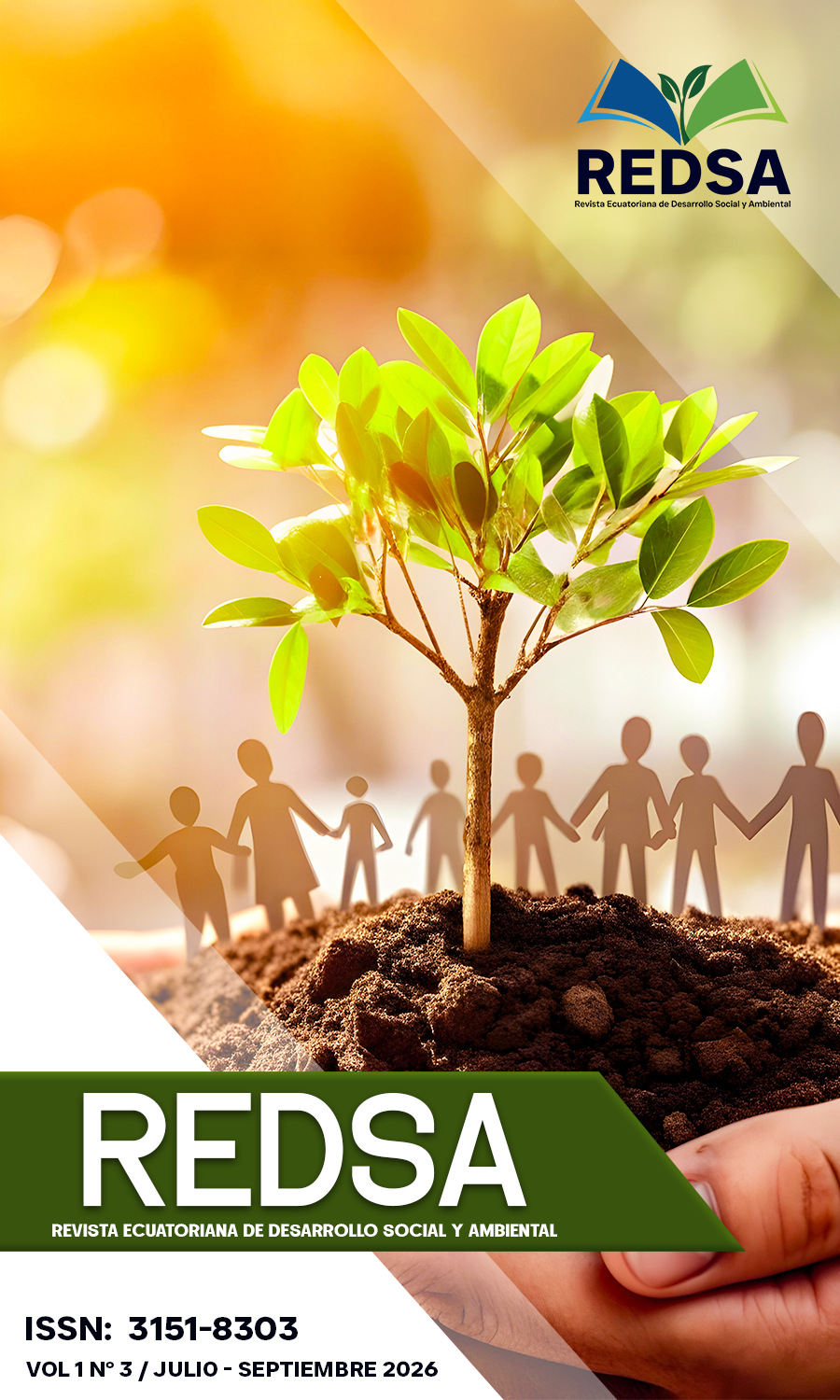
Julio - Septiembre
Vol. 1 No. 3 (2026)This edition focuses on the relationship between human development, community participation, and sustainability, highlighting the importance of building more inclusive and resilient societies committed to environmental protection.
In the field of social sciences, this issue presents research related to community organization, social responsibility, equity, citizen participation, and the strengthening of local capacities. From an environmental sciences perspective, it addresses issues associated with natural resource conservation, sustainable land management, environmental education, climate change adaptation, and the implementation of responsible practices in response to current ecological challenges.
In the field of education, this issue includes studies on pedagogical innovation, teacher training, inclusion, active methodologies, and strategies aimed at fostering meaningful learning in diverse contexts. Likewise, from the perspective of public health and social well-being, it examines experiences related to prevention, community-based care, and the promotion of healthy lifestyles. Taken together, the published articles demonstrate the value of scientific research as a tool for generating knowledge, driving social transformation, and promoting sustainable development that integrates the well-being of individuals, communities, and the environment.
-
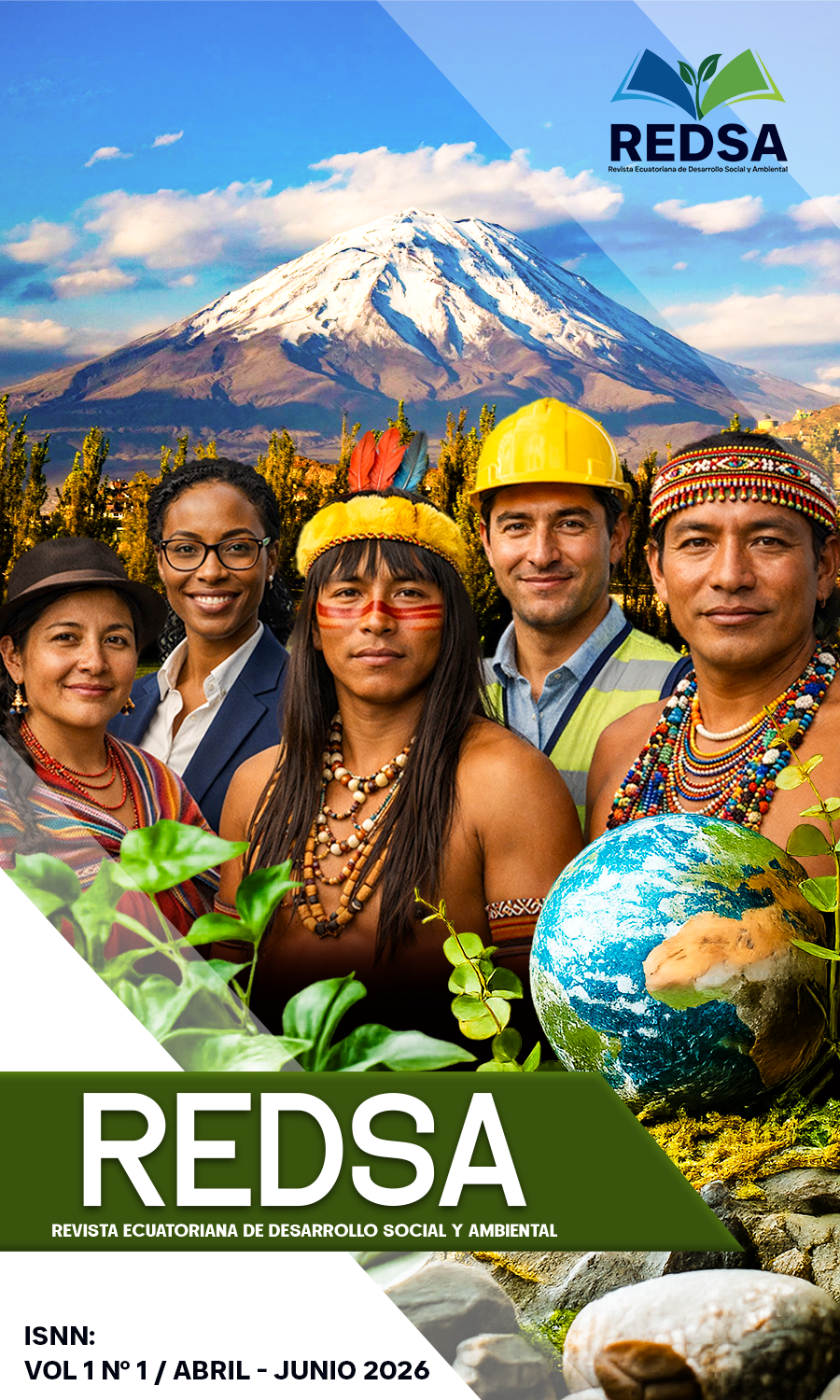
Abril - Junio
Vol. 1 No. 2 (2026)The second issue of Volume 1, corresponding to the April–June 2026 period, presents a selection of scientific articles subjected to a double-blind peer-review process. The published works bring together contributions from the social, environmental, and educational sciences, as well as public health, in line with the journal’s multidisciplinary approach.
In the field of social sciences, the articles address topics related to sustainable territorial development, public policy, citizen participation, social innovation, community entrepreneurship, inclusion, and equity. From an environmental sciences perspective, the issue examines natural resource management, climate change, the circular economy, and education for sustainability. In the field of education sciences, it presents research on innovative methodologies, holistic education, and the use of educational technologies to promote meaningful learning.
Finally, in the area of public health, the issue includes studies related to community health, healthcare systems, and the promotion of social well-being. Overall, this issue reaffirms the journal’s commitment to disseminating scientific knowledge relevant to Ecuador and Latin America.






 Síguenos en Facebook
  Síguenos en Instagram
  Escríbenos por WhatsApp
  Envíanos un correo